Dual Land Utilization
Agrivoltaic systems allow agricultural operations to continue productive land use while simultaneously generating renewable energy.

Combine agricultural operations and renewable energy production through innovative agrivoltaic solar systems designed for long-term sustainability.
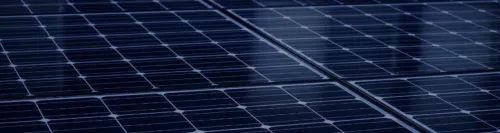
Agrivoltaic solar systems combine renewable energy production with active agricultural land use through elevated solar structures that allow crops and vegetation to continue growing beneath and around solar arrays. These systems create opportunities for farms and agricultural operations to generate renewable energy while preserving productive land use.
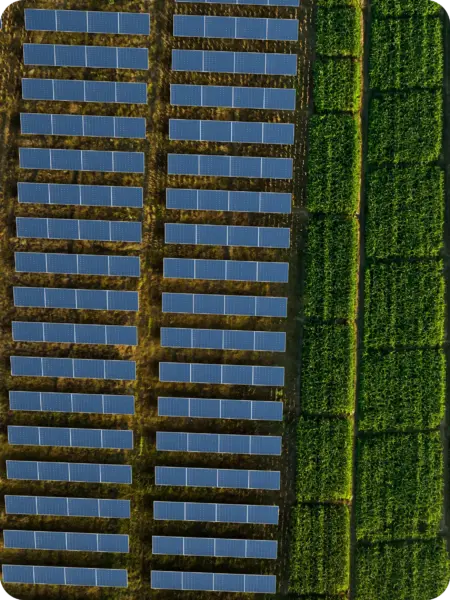
Agrivoltaic systems are designed to strategically balance sunlight exposure and energy production through elevated structures and staggered solar panel configurations. As the sun moves throughout the day, crops continue receiving filtered sunlight while benefiting from moderated temperatures and reduced water evaporation.
Research continues to demonstrate that certain crops and agricultural environments can thrive within agrivoltaic systems while simultaneously supporting long-term renewable energy generation. WattHub helps agricultural operations evaluate agrivoltaic opportunities designed around land productivity, operational efficiency, and long-term sustainability goals.
From farming operations and agricultural facilities to research institutions and large-scale rural properties, WattHub supports the planning and development of agrivoltaic systems tailored to each site’s agricultural and energy objectives.
Agrivoltaic systems allow agricultural operations to continue productive land use while simultaneously generating renewable energy.

Generate clean energy on-site to offset electricity usage and reduce long-term operational energy expenses.
Partial shade from elevated solar structures can help moderate soil temperatures and reduce moisture evaporation in certain agricultural environments.

Agrivoltaics support sustainable land management strategies by combining agricultural productivity with renewable energy infrastructure.
Agricultural operations can benefit from both energy savings and enhanced land utilization through integrated solar development.
Agrivoltaic systems can be customized for different crop types, farming operations, and large-scale agricultural properties.
What is an agrivoltaic solar system?
An agrivoltaic solar system combines agricultural land use with renewable energy production through elevated solar panel structures that allow crops or vegetation to continue growing beneath and around the solar array.
How do agrivoltaic systems work?
Agrivoltaic systems use elevated or staggered solar panel configurations that allow filtered sunlight to reach crops while simultaneously generating renewable energy. The design is intended to balance agricultural productivity and energy generation.
Can crops still grow beneath solar panels?
Yes. Many agrivoltaic systems are specifically designed to allow continued crop growth beneath or between solar structures. Certain crops may benefit from moderated temperatures and reduced direct sun exposure depending on climate and crop type.
What types of agricultural properties are suitable for agrivoltaics?
Agrivoltaic systems may be suitable for:
Farms
Vineyards
Orchards
Agricultural research facilities
Rural commercial properties
Large agricultural landowners
Suitability depends on land conditions, crop type, operational goals, and available space.
Do agrivoltaic systems reduce agricultural productivity?
Not necessarily. Research has shown that some crops can perform well within agrivoltaic environments depending on climate conditions, crop selection, and system design. WattHub helps evaluate agrivoltaic strategies tailored to each agricultural operation.
Can agrivoltaic systems reduce operational energy costs?
Yes. Agrivoltaic systems generate renewable energy that can help offset electricity usage for agricultural operations, irrigation systems, processing facilities, and other energy-intensive activities.
How long does an agrivoltaic project take?
Project timelines vary depending on site conditions, permitting requirements, engineering complexity, and utility coordination. WattHub helps agricultural operations navigate each phase of project development and deployment efficiently.
What incentives are available for agrivoltaic solar systems?
Agrivoltaic projects may qualify for federal tax incentives, renewable energy programs, agricultural sustainability initiatives, and utility incentives depending on project structure and location. WattHub helps clients evaluate available financial opportunities during project planning.