2010
FOUNDING YEAR
Technology, Development and Financing Services

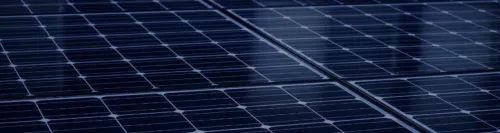
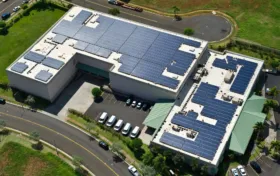
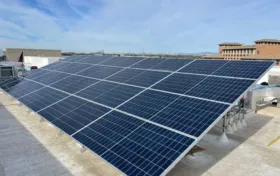
WattHub helps Chandler businesses and organizations evaluate, develop, and finance commercial solar projects based on their property, energy consumption, and financial goals. From rooftop solar and solar carports to battery storage and larger energy projects, WattHub provides the expertise and partner network needed to move commercial solar projects from initial evaluation to development.
Chandler is home to a significant concentration of technology, manufacturing, industrial, office, and commercial facilities, many of which have substantial electricity demands and large physical footprints.
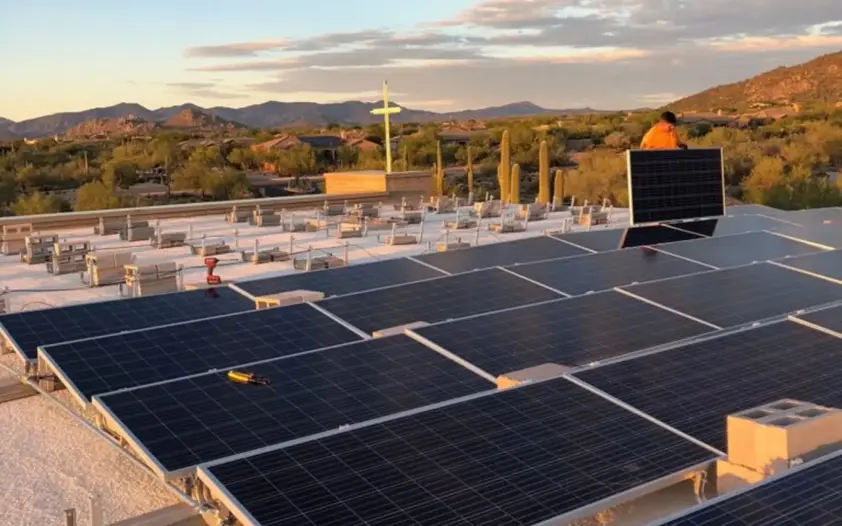
For these properties, rooftops, parking lots, and available land can create opportunities for on-site solar generation.
WattHub helps businesses determine whether those opportunities translate into a financially viable commercial solar project. We evaluate electricity consumption, available space, utility considerations, system design, financing options, incentives, and long-term project economics before recommending a solution.
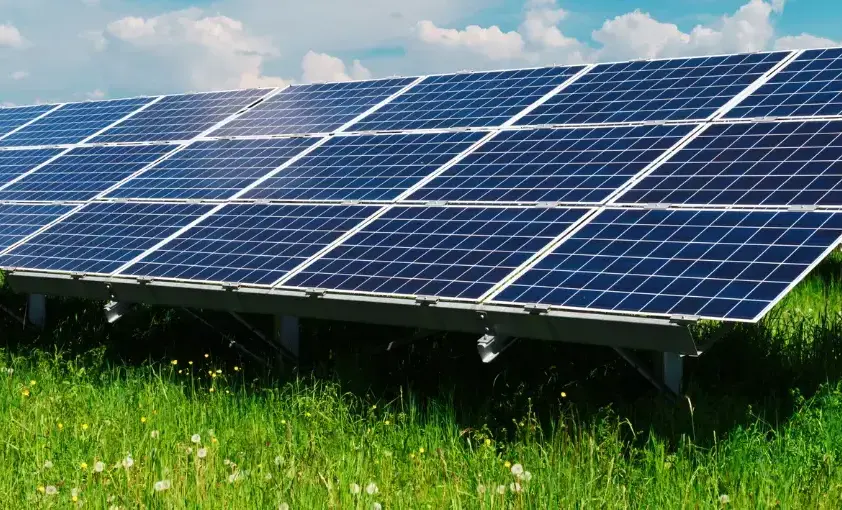
Depending on the property and its energy needs, that solution may include rooftop solar, solar carports, ground-mounted solar, battery storage, or a combination of technologies.
Technology, Development and Financing Services
Projects totalized Globally that have been executed directly with WattHub & its partners
Over $1,000,000,000 of projects have been submitted to through our portal for Development services and EPC/Finance to date.
Trust WattHub to provide commercial solar development services, financing, and EPC services through our vetted partner network nationally
WattHub works with commercial, industrial, institutional, and nonprofit organizations to develop solar projects around their facilities and energy needs.

Turn available rooftops, parking areas, and land into productive energy assets while working to reduce long-term electricity expenses.
Develop solar projects for campuses, parking lots, athletic facilities, and other educational properties.
Explore solar and financing strategies designed around the unique needs and budgets of nonprofit organizations.
Evaluate solar, shade structures, and energy storage for public buildings and facilities.
Large, unobstructed rooftops and substantial daytime electricity consumption can make warehouse and distribution properties strong candidates for commercial solar.
Use rooftop and parking areas to generate electricity while supporting sustainability and long-term energy goals.
Evaluate rooftop solar, solar carports, and energy storage opportunities across apartment and multifamily developments.
Is commercial solar worth it in Chandler?
Commercial solar can make financial sense for many Chandler properties, particularly facilities with significant daytime electricity usage and adequate rooftop, parking, or land space.
However, every property is different. Electricity consumption, utility rates, system size, installation costs, financing, available incentives, and long-term energy goals should all be evaluated before determining whether a project makes sense.
How much does commercial solar cost in Chandler?
The cost of a commercial solar project depends on system size, installation type, equipment, electrical infrastructure, structural requirements, and site conditions.
A rooftop installation, solar carport, and ground-mounted system each have different design and construction requirements. WattHub evaluates the individual property to develop project-specific estimates and financial projections.
What types of Chandler properties are good candidates for commercial solar?
Manufacturing facilities, technology campuses, warehouses, distribution centers, office buildings, retail centers, schools, healthcare properties, multifamily communities, and other commercial facilities can all be candidates.
Properties with substantial daytime electricity usage or large amounts of usable roof, parking, or land area are especially worth evaluating.
Can manufacturing facilities in Chandler use commercial solar?
Yes. Manufacturing and industrial facilities can be strong candidates because many consume substantial amounts of electricity during daylight hours.
Available rooftop or land area can potentially be used to generate electricity on site and offset a portion of the facility’s energy consumption.
Are solar carports a good option for Chandler businesses?
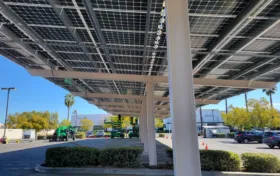
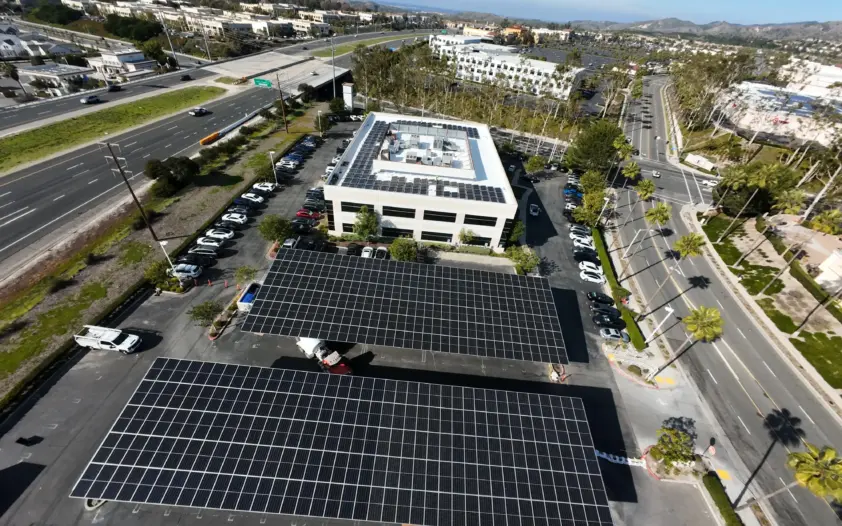
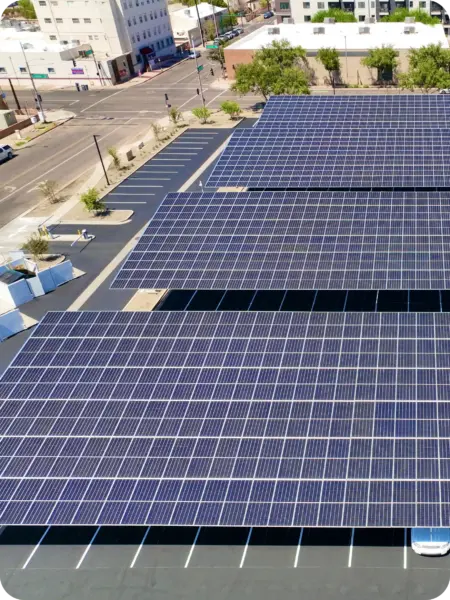
Yes. Solar carports allow commercial properties to generate electricity from parking areas while providing shaded parking for employees, customers, tenants, students, or visitors.
For office campuses, manufacturing facilities, shopping centers, schools, and other properties with large parking lots, solar carports can make productive use of space that would otherwise serve only one purpose.
Can Chandler businesses combine solar with battery storage?
Yes. Battery energy storage can be incorporated into a new commercial solar project or evaluated independently.
Whether storage makes sense depends on factors including the property’s electricity consumption, peak demand, utility rate structure, resilience requirements, and operational goals.
What financing options are available for commercial solar?
Depending on the project and organization, potential options can include direct ownership, commercial solar loans, power purchase agreements, and other financing structures.
WattHub helps organizations evaluate potential structures based on upfront investment, ownership preferences, projected savings, and overall project economics.
Are incentives available for commercial solar projects in Chandler?
Commercial solar projects may qualify for federal tax incentives and other programs depending on the project, technology, ownership structure, location, and regulations in effect when the system is developed.
Because incentive programs and eligibility requirements can change, WattHub evaluates current opportunities as part of the project development process.